- Details
- Written by Kamloops Brad
- Category: Success Stories
- Hits: 136
Lorem Ipsum


The Institute for Liberty and Democracy (ILD), led by Peruvian economist Hernando de Soto, works with developing countries to implement property and business rights reforms that provide the legal tools and institutions required for citizens to participate in the formal national and global economy. ILD works toward a world in which all people have equal access to secure rights to their real property and business assets in order to pull themselves—and their countries—out of poverty.
Lorem Ipsum
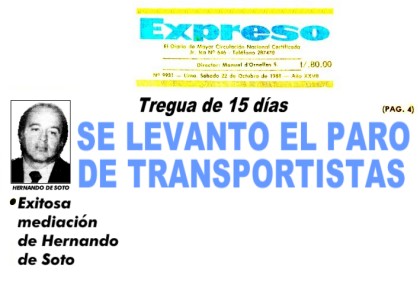
Until the 1980s, independent transport operators in Peru, who were primarily from the nation’s lower income groups, had a negative public image. Almost all proposals seeking to regulate public transportation sought to eliminate them. The presiding theory was that the poor could not become entrepreneurs and only government could (or should) run public transport. In November 1986, however, the publication of De Soto’s book The Other Path, based on years of ILD field work and analysis, revealed a different picture: 85 percent of Lima’s urban transportation belonged to extralegal entrepreneurs and the total replacement value of their fleet was US$ 620 million. Most of Lima was literally travelling through the city in extralegal vehicles. The ILD’s analysis also revealed that for decades government had put in place numerous legal obstacles impeding private lower income entrepreneurs from gaining direct legal access to the urban transportation market.
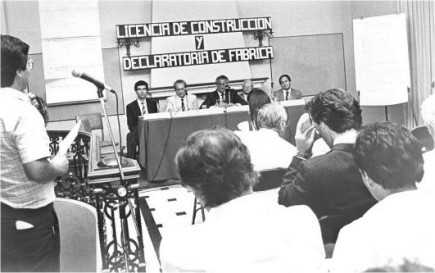
Most of the obstacles to creating a new business in Peru occur at the national level, and the Unified Business Registry was aimed at wiping them out. But there is another level of bureaucratic obstacles presented by municipal governments that operate independently of the national government. To deal with those obstacles, the ILD proposed in May 1990 to all of Peru’s municipalities a public ordinance for simplifying the granting of municipal operating licenses. This ordinance is also based on the ILD’s four pillars of administrative simplification.
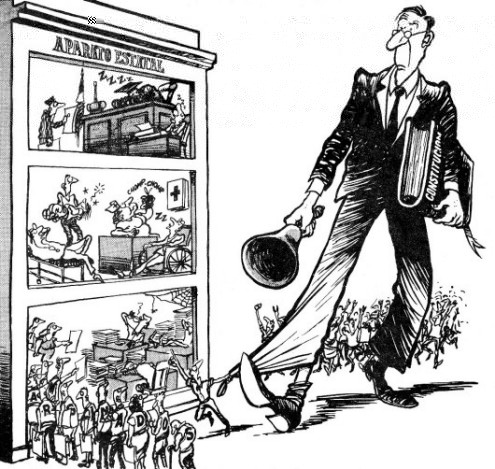
In 1984, to further increase the odds that the real needs of the people would be heard by the government, the ILD mounted a campaign for an independent national “ombudsman” to represent the interests of citizens, no matter how poor they might be. Though there was no provision in the constitution for such a position, it authorized the Attorney General to “defend the public interest.” The ILD petitioned the sitting Attorney General who agreed that he, too, thought that an ombudsman would improve the quality of Peruvian lawmaking. In July 1984 and December 1985, the ILD signed two agreements with the Office of the Attorney General to design the legal mechanisms for Peru’s first “Office of the Ombudsman” —El Defensor del Pueblo.